Functional Safety & Diagnostics
Automotive industry-grade safety layer with real-time monitoring and diagnostics, providing early detection and mitigation of potential issues.
Automotive industry-grade safety layer with real-time monitoring and diagnostics, providing early detection and mitigation of potential issues.
From real-time SoC and ECU safety monitoring to fleet-wide system diagnostics, proteanTecs delivers deep data visibility - enabling early fault detection, predictive maintenance, and alignment with evolving safety requirements.


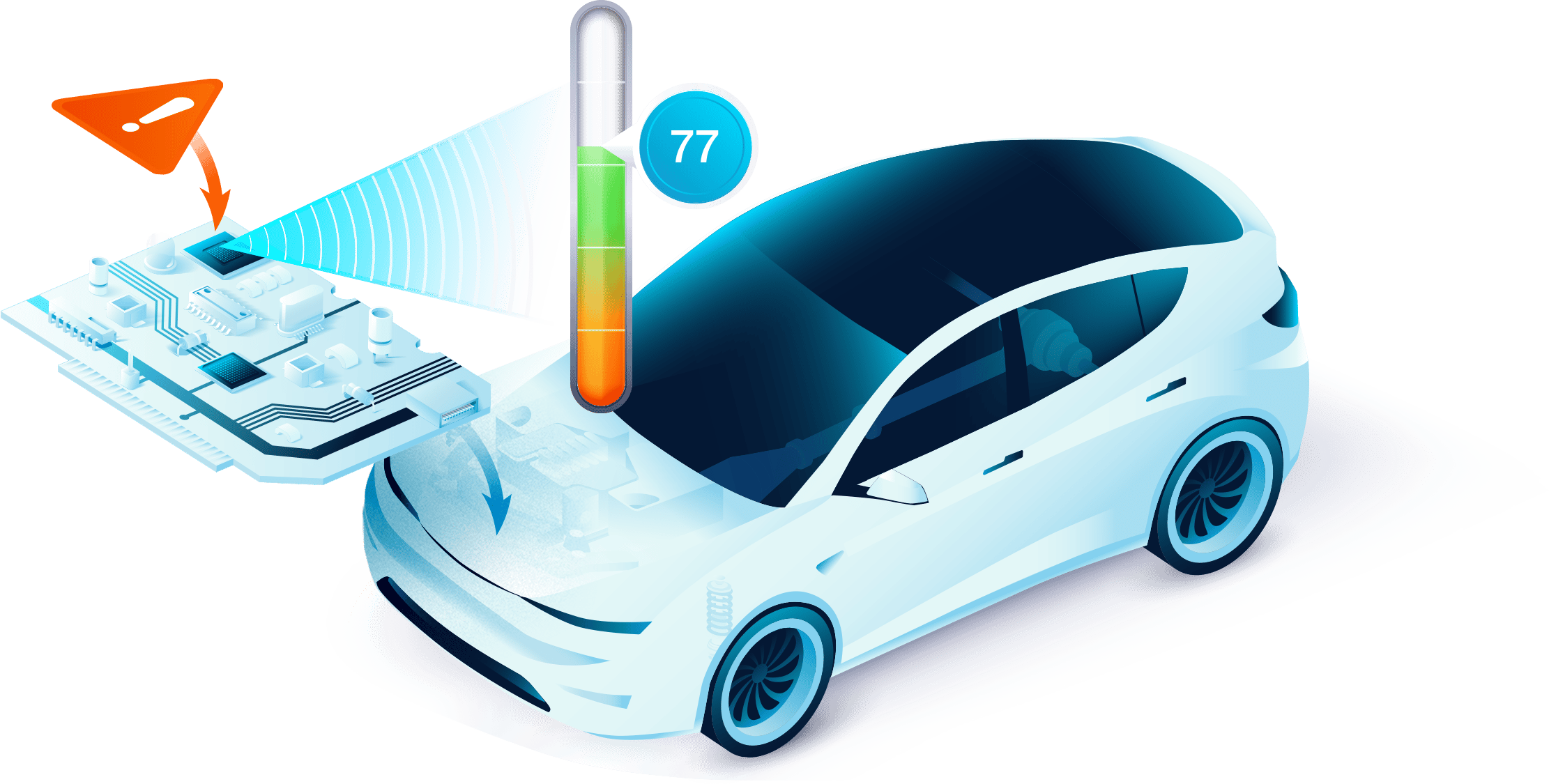
RTSM monitors each device in mission mode, enabling early detection of software stress, latent defects, aging and wear-out mechanisms, and emerging faults.
With always-on in-chip Agent data, RTSM detects degradations that precede failures, preventing downtime and supporting predictive maintenance strategies.
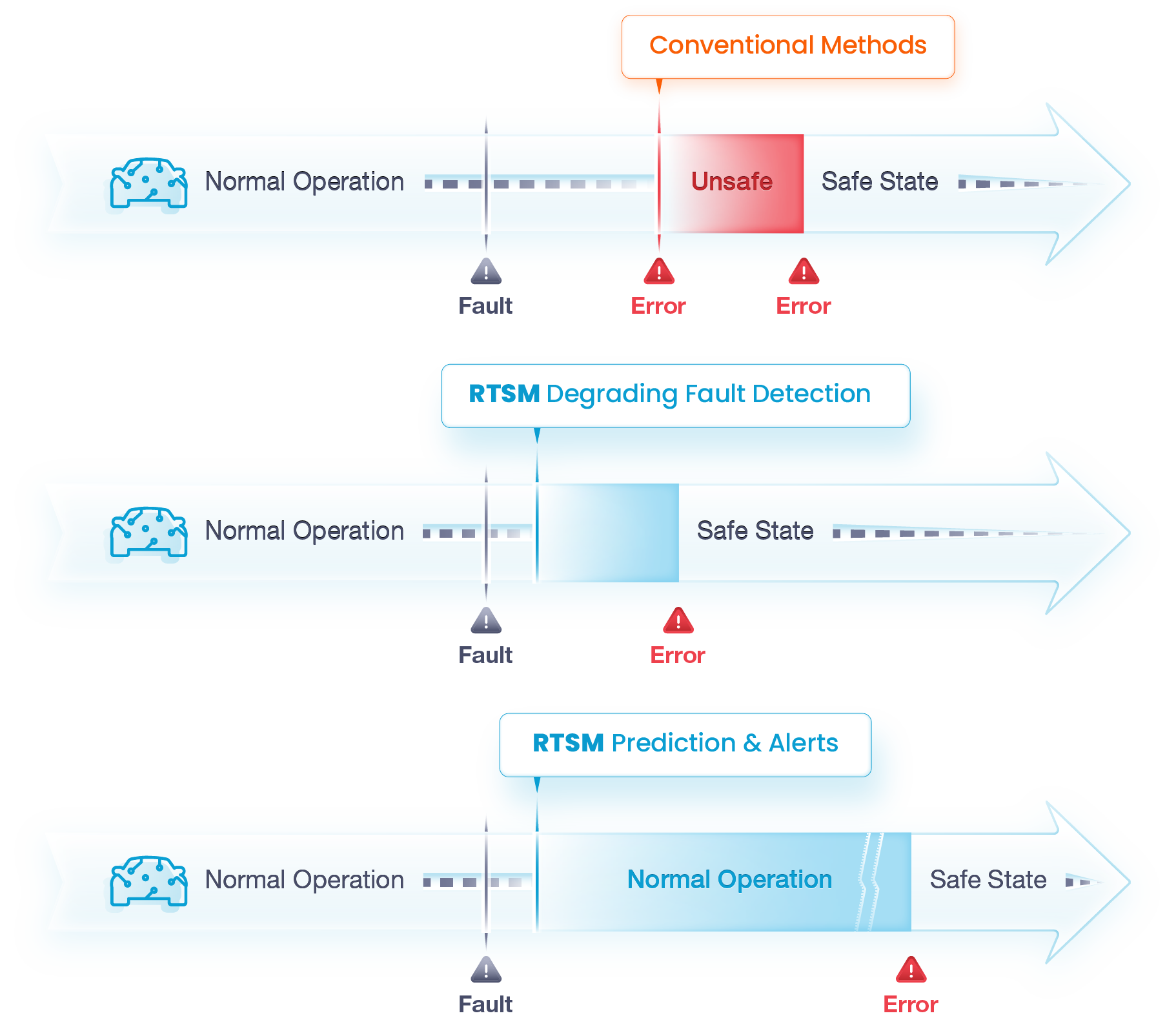
Current methods identify failures after they have escalated
into critical errors. By leveraging in-chip health monitoring
and real-time algorithms, RTSM provides faster time-to-
detection and reaction.
Automotive manufacturers and OEMs can achieve unprecedented levels of reliability and safety, aligning with
evolving safety standards and industry expectations.
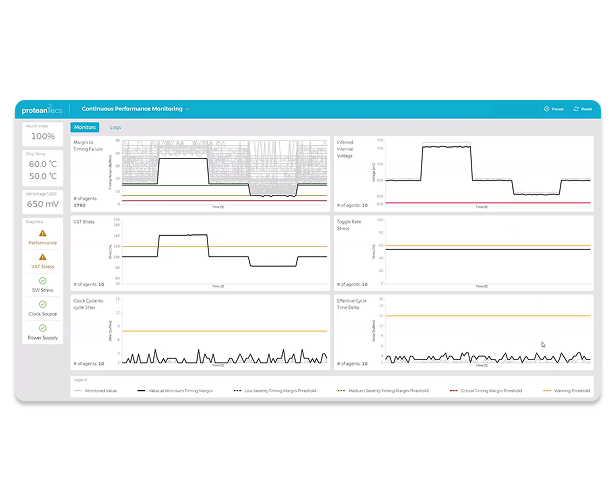
Combining on-chip telemetry with ML-driven algorithms running in the system, CPM enables monitoring at the hardware level, transforming on-road maintenance with embedded software.

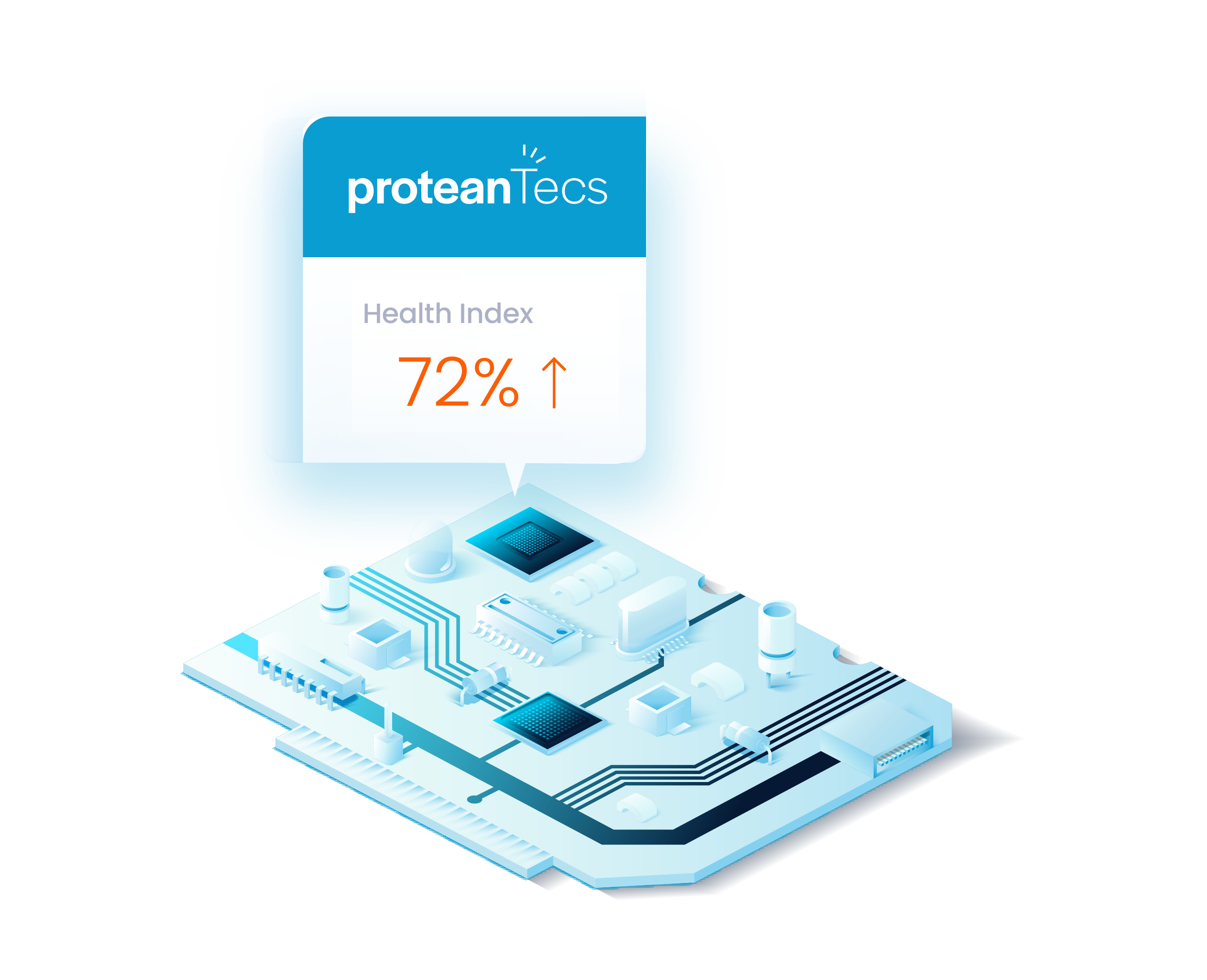
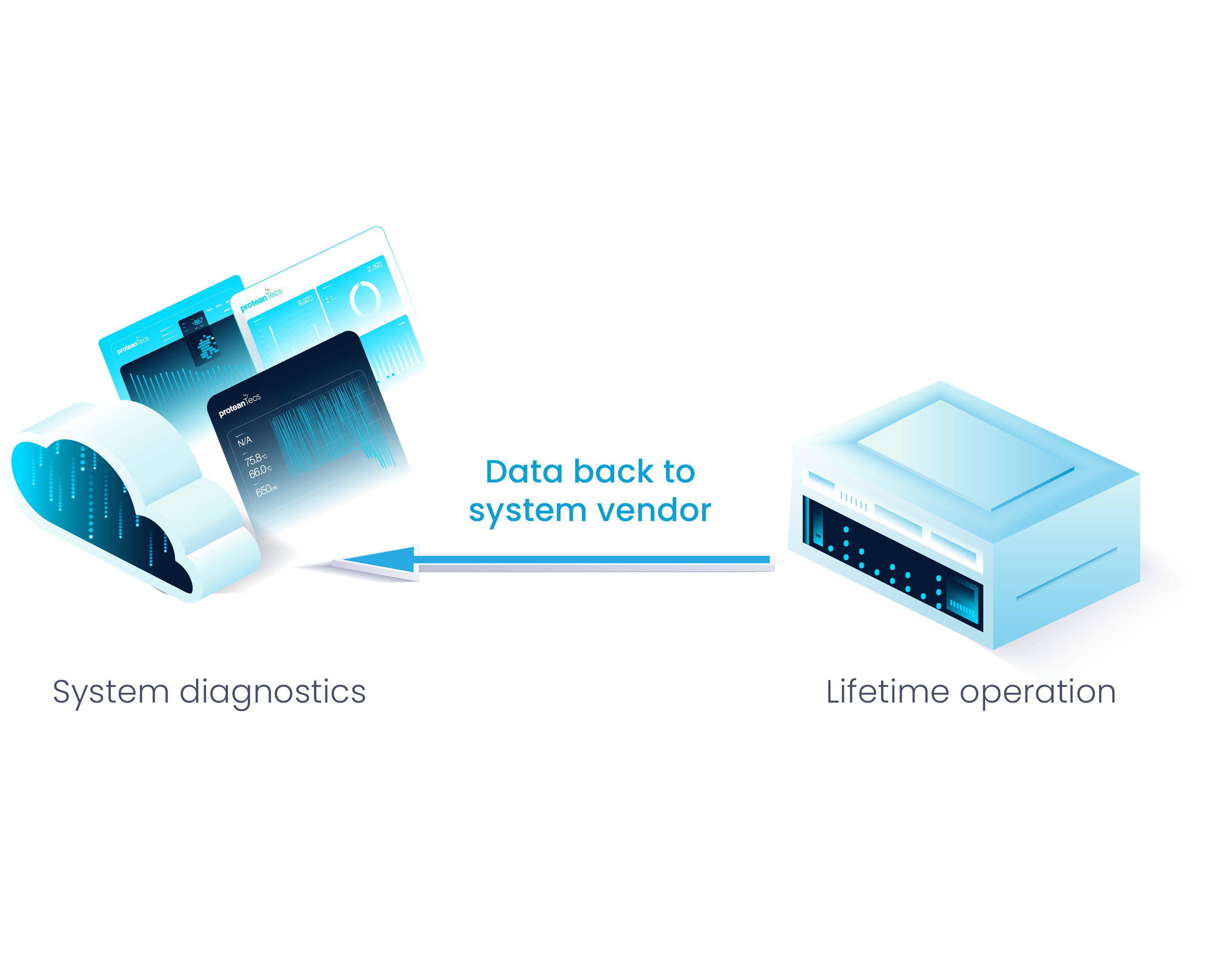
Mission Profile Monitoring replaces pre-production assumptions with real-time, cumulative stress monitoring, capturing actual voltage and temperature exposure to predict remaining useful life with confidence.
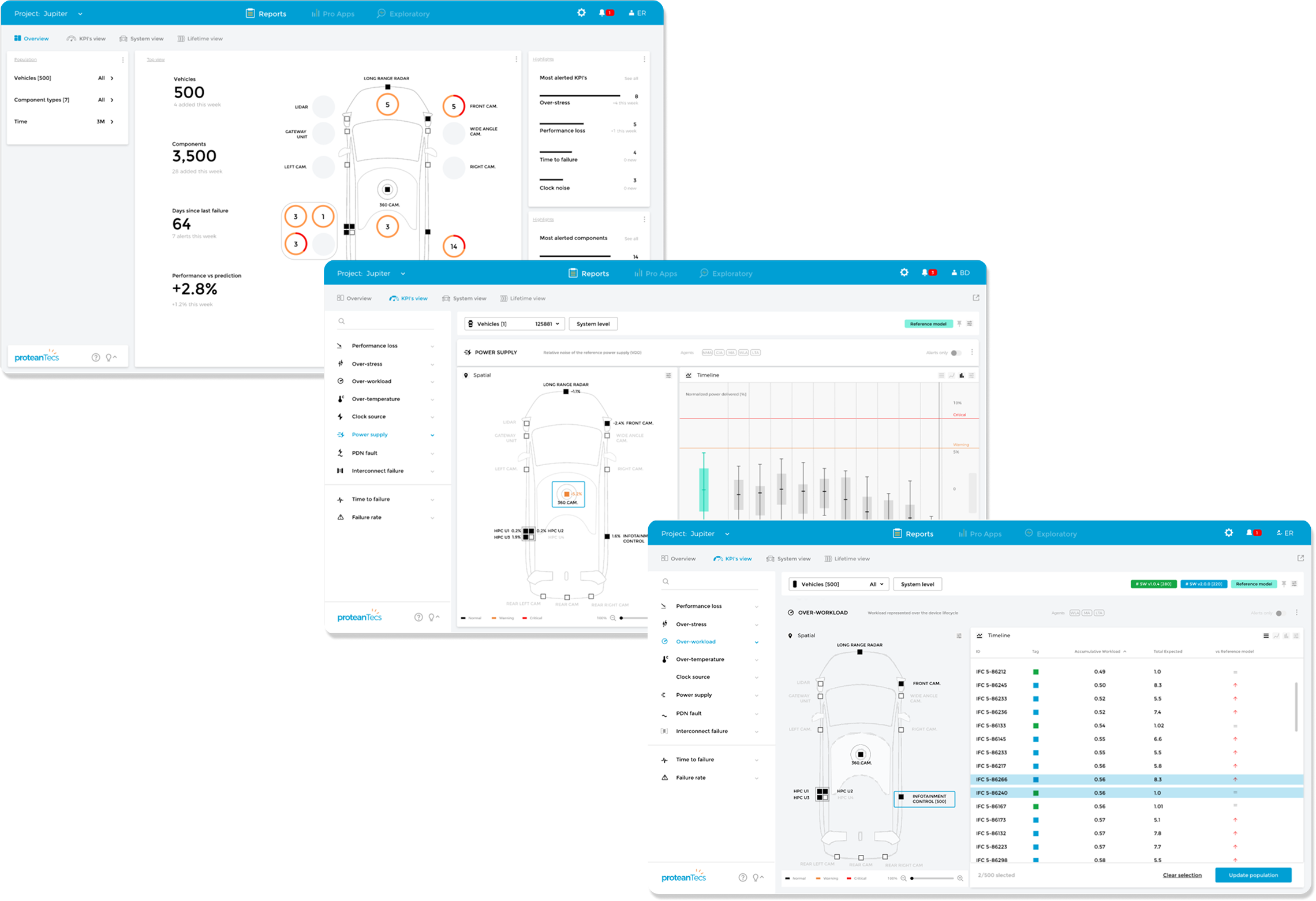
Transform in-field data into actionable insights, tracking system behavior at scale to detect anomalies, uncover patterns, and predict failures before they impact safety or uptime.
Enhanced fleet monitoring, empowering OEMs and Tier 1s to optimize maintenance, reduce RMAs, and improve long-term reliability across product lines.

This paper introduces RTSM™, which enhances functional safety (FuSa) by providing workload-aware, high-coverage monitoring, combining unique deep data of on-chip agents with a realtime algorithm-based application.

TTTech Auto and proteanTecs have introduced a new approach, combining technologies to allow for predictive maintenance and failure prevention strategies of advanced automotive electronic systems.

Panel with automotive SoC experts from CARIAD, Infineon, NXP and proteanTecs on tradeoffs between reliability, performance and costs.

A deep data–driven approach enables predictive and preventive maintenance for software-defined vehicles by monitoring ECU health, performance degradation, and time to failure in real time.

Reliability and safety are crucial features of modern automotive platforms, and semiconductor chips used in these architectures must comply with the applicable requirements mandated by the automotive industry, which includes ISO26262
Michal Geva • VP and GM of OTA and Cybersecurity, HARMAN
Get answers to common questions about how proteanTecs supports functional safety by enabling real-time monitoring, early fault detection, and in-mission visibility across chip, ECU, and fleet.
Functional safety ensures that electronic systems operate reliably, even when faults occur, by detecting and mitigating potential failures before they become hazardous. It’s a core requirement for automotive and other mission-critical applications, especially as systems grow more complex and software-driven.
proteanTecs enables real-time observability of system behavior during mission mode, helping detect safety-critical risks such as timing faults, aging degradation, and cumulative stress exposure. This empowers predictive and prescriptive maintenance, improves safety margins, and supports standards compliance like ISO 26262.
Unlike conventional approaches that rely on periodic self-tests or static guard bands, proteanTecs offers always-on, in-chip monitoring under actual workload conditions. This allows systems to identify risks dynamically and respond in time, rather than rely on assumptions made during design or test.
The Performance Index is a real-time metric generated by proteanTecs’ safety monitoring that quantifies how close a device is to a critical failure threshold. It supports early detection, safety alerts, and corrective actions, essential for maintaining functional safety in dynamic environments.


.svg)